

Electric delivery scooters have become a key solution in urban logistics. Their agility, low operating costs, and ease of use make them ideal for congested environments. However, they have limitations in terms of load capacity and cargo protection. In this article, we analyze their advantages, disadvantages, and how complementary solutions can optimize their use in last-mile delivery.
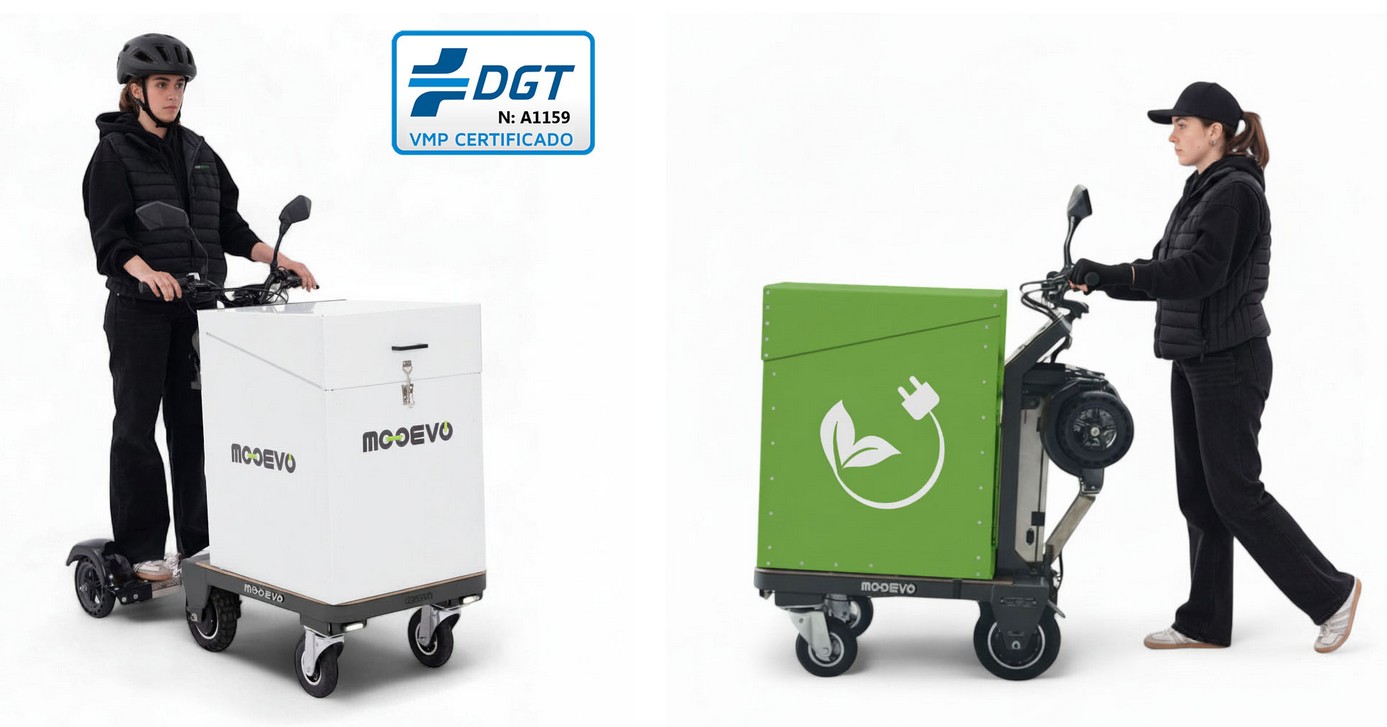
An agile solution for the last mile
Electric scooters have become increasingly popular in urban delivery thanks to their ability to move quickly through congested cities. Their compact size allows delivery drivers to access pedestrian areas, reduce delivery times, and avoid parking problems, which is especially important in urban centers with traffic restrictions.
Furthermore, their low cost compared to other electric vehicles, along with simple maintenance, makes them an attractive option for both self-employed individuals and delivery companies. In many cases, they represent a gateway to more sustainable and efficient delivery models.
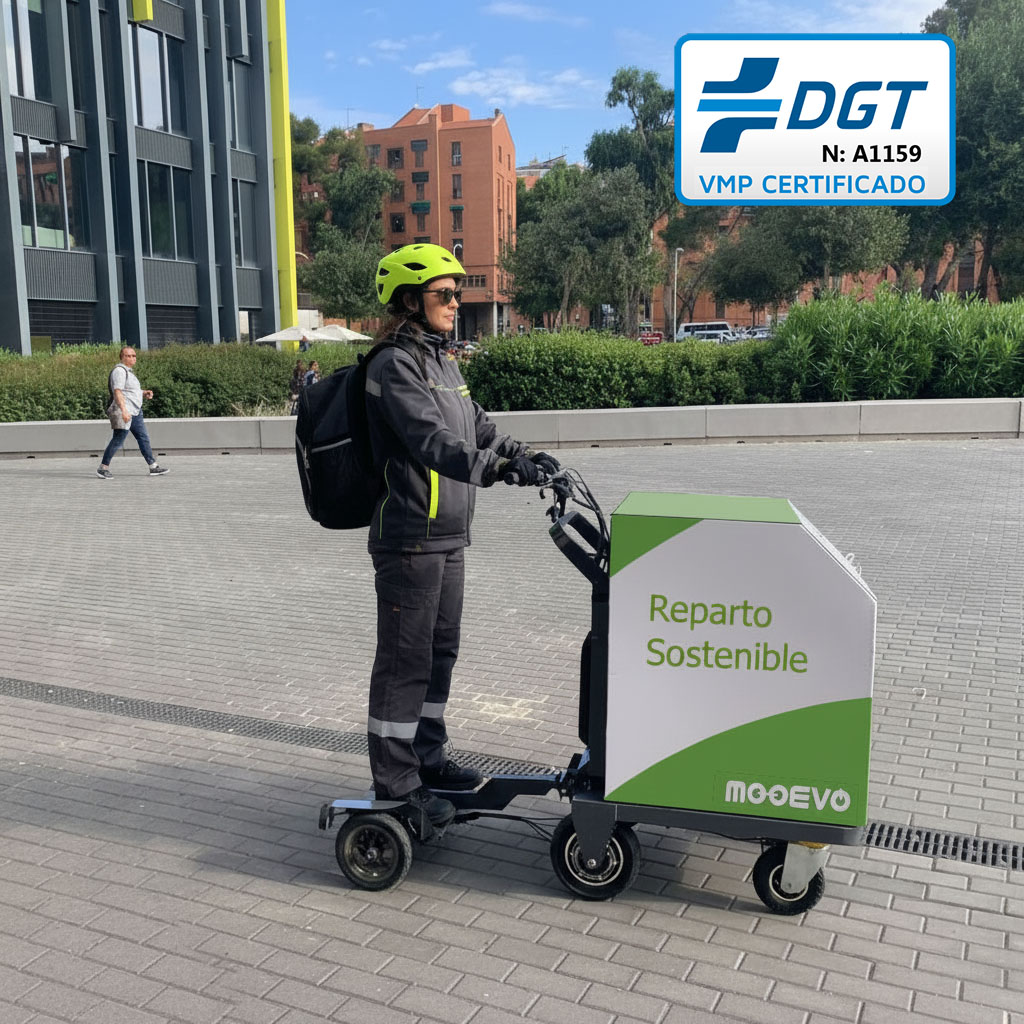
Limitations in capacity and safety
Despite their advantages, electric scooters have significant limitations when it comes to transporting packages. Their carrying capacity is small, and in many cases, backpacks or small baskets are used, which don’t guarantee either the ergonomics of the delivery person or the protection of the goods.
This type of transport can also expose packages to adverse weather conditions or even to the visibility of labels with sensitive data, which can lead to problems related to data protection and delivery security.
Operational challenges in real-world environments
In intensive delivery operations, electric scooters may fall short. Their limited range, instability when carrying weight, and difficulty handling larger volumes make them more suitable for small deliveries or very specific routes.
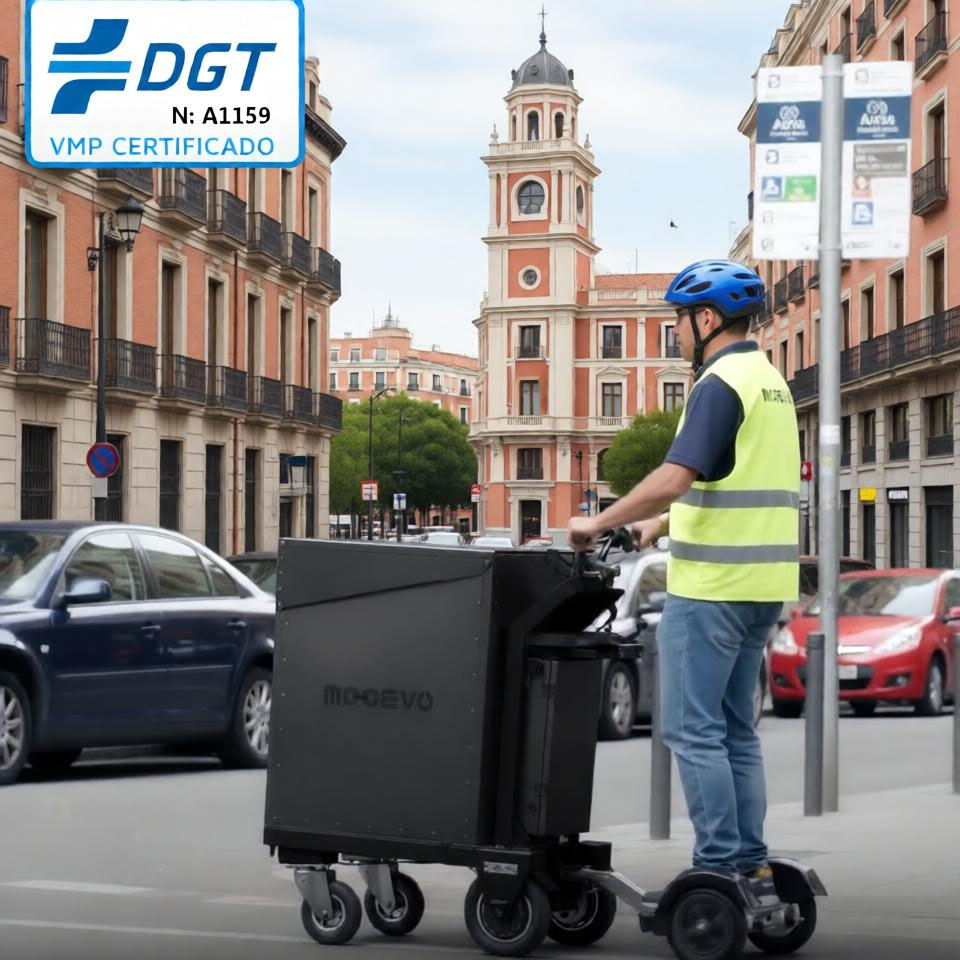
Furthermore, from the delivery driver’s point of view, the physical effort and discomfort of carrying weight on their back for long periods can affect both productivity and occupational health.
The importance of DGT homologation
In Spain, it is essential that electric scooters used for deliveries comply with current regulations and are approved by the Directorate General of Traffic (DGT). This approval guarantees that the vehicle meets the required technical and safety standards, such as speed limits, lighting systems, and manufacturing certifications.
Furthermore, their use avoids penalties and legal problems, which is especially critical for companies operating fleets in urban environments. As regulations evolve, having certified vehicles is not only a requirement but also a competitive advantage in terms of reliability, brand image, and regulatory compliance.
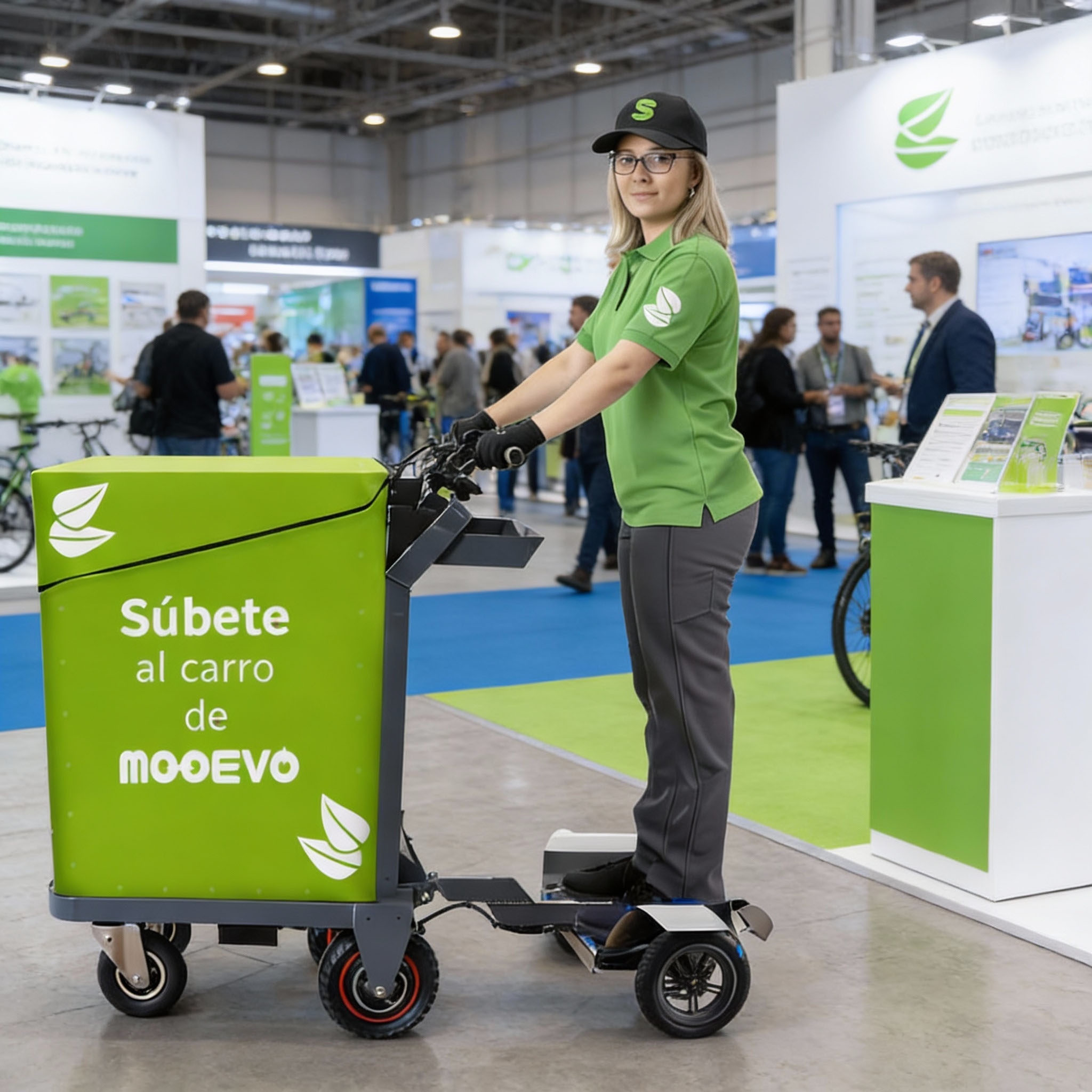
How MOOEVO systems improve scooter delivery
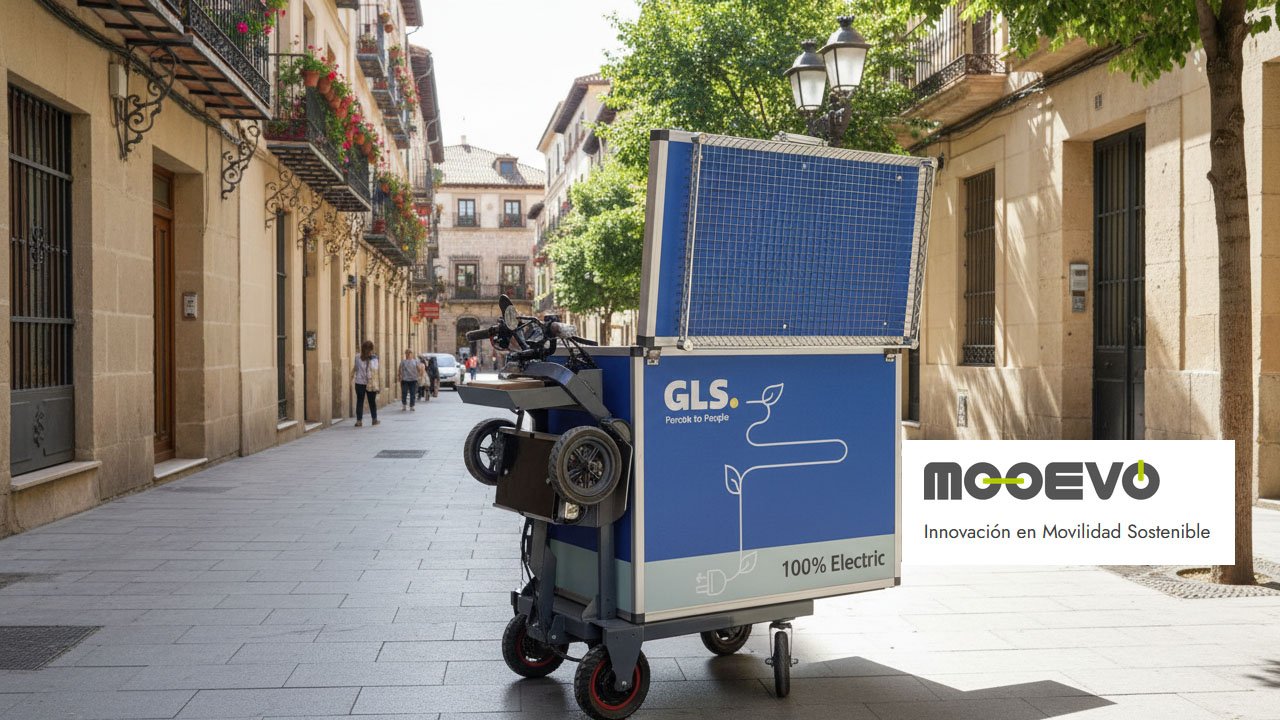
This is where solutions like MOOEVO’s systems provide a competitive advantage. Instead of relying solely on scooters, they allow for a transformation of operations through the use of optimized delivery carts that reduce the load on the driver and significantly increase capacity.
These systems allow for the safe, stable, and efficient transport of larger volumes, while also protecting packages from external exposure. In this way, they combine the agility of micromobility with the functionality of professional solutions, improving both productivity and the end-user experience.
In a context where cities are moving towards more sustainable and regulated delivery models, integrating complementary solutions to electric scooters is not just an operational improvement, but a strategic necessity.
