
In today’s urban logistics and last-mile delivery landscape, data protection has become a critical factor often associated solely with digital systems, software, or cybersecurity. However, there is a less visible but equally important dimension: the physical exposure of data during package transport.
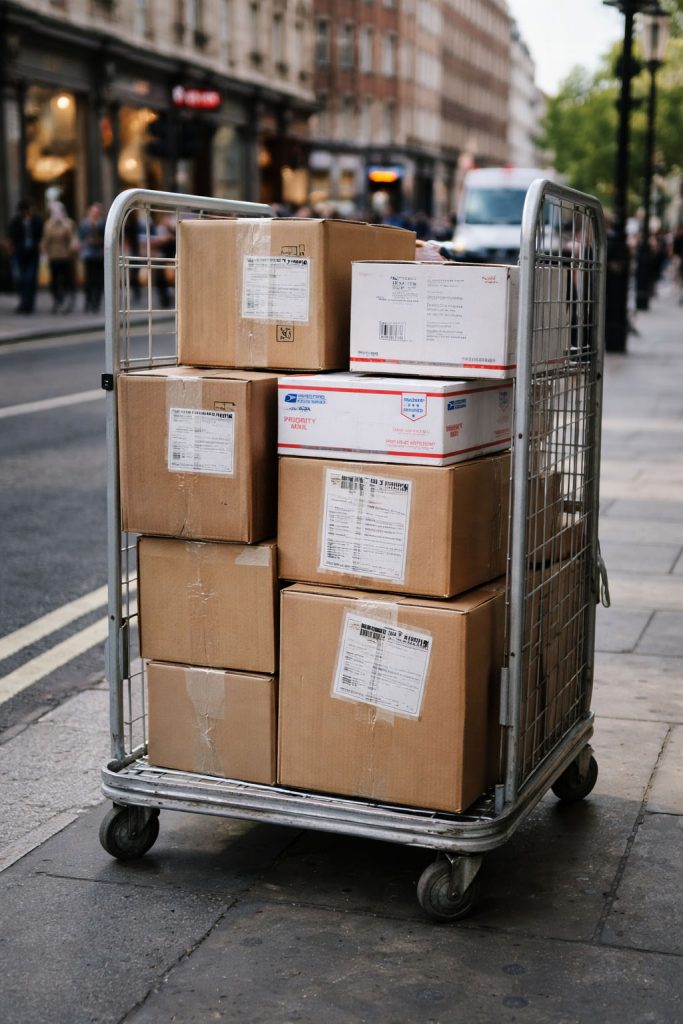
Each label contains sensitive information such as names, addresses, or phone numbers, making the delivery process itself a vulnerable point.
When packages are transported openly, especially in dense urban environments, this information is easily accessible to third parties. This poses a risk not only to the delivery company in terms of regulatory compliance, but also a direct risk to the end customer.
The exposure of personal data can lead to situations of fraud, identity theft, or targeted phishing campaigns, in which attackers use real information to generate credible messages.
In countries like the United Kingdom, this risk takes on an even greater dimension due to the strict enforcement of the General Data Protection Regulation (GDPR). Companies that handle personal information, such as names, addresses, or telephone numbers found on package labels, can face fines of up to £17.5 million or 4% of their annual global turnover in the event of non-compliance.
Although many organizations focus their efforts on digital protection, the physical exposure of this data during distribution is also part of information processing and, therefore, must be managed with the same level of responsibility.
These types of risks are not always perceived as a priority within logistics operations, but their impact can be significant. An incident involving personal data not only implies potential financial penalties, but also a decline in customer trust and damage to the company’s reputation. In an environment where user experience is key, ensuring data security becomes a differentiating factor.
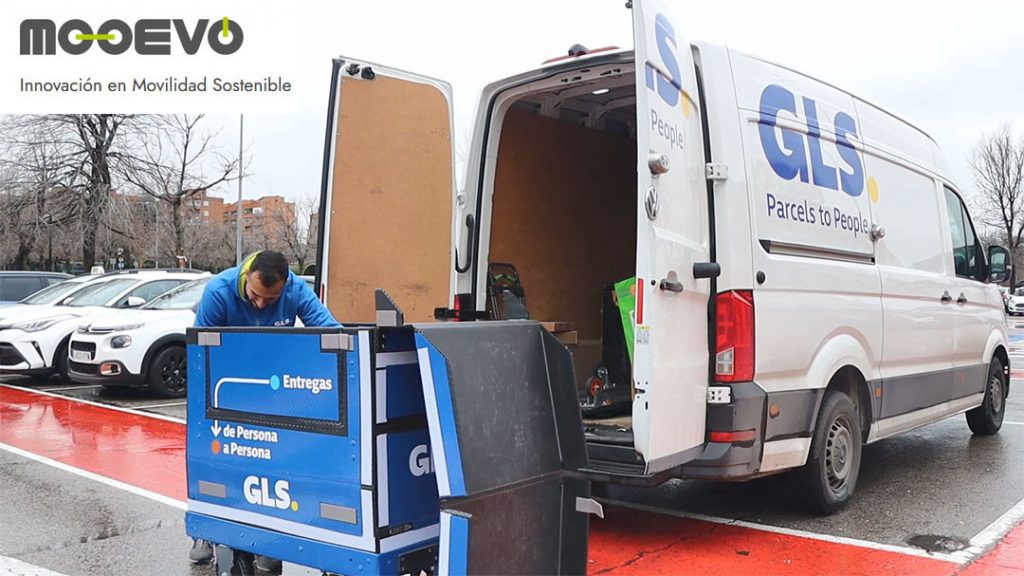
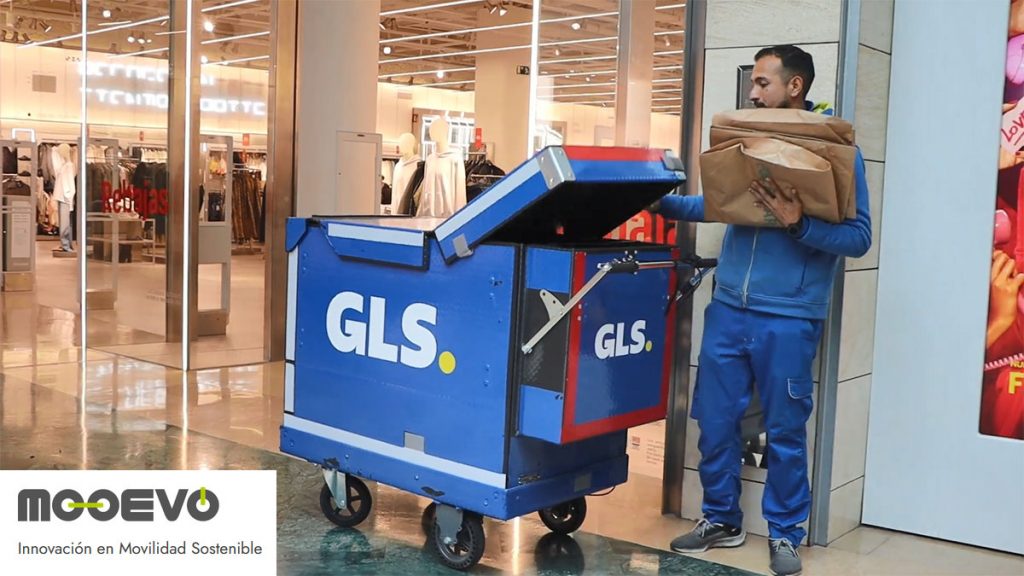
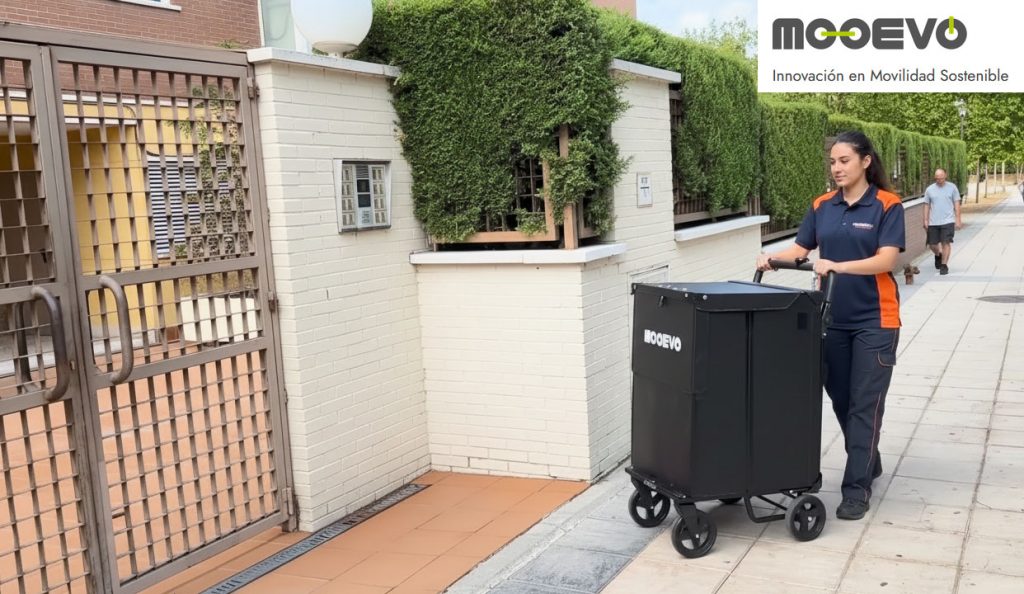
In this context, physical transport solutions play a fundamental role. Delivery systems that incorporate enclosed compartments significantly reduce the visibility of labels and, therefore, the exposure of personal data.
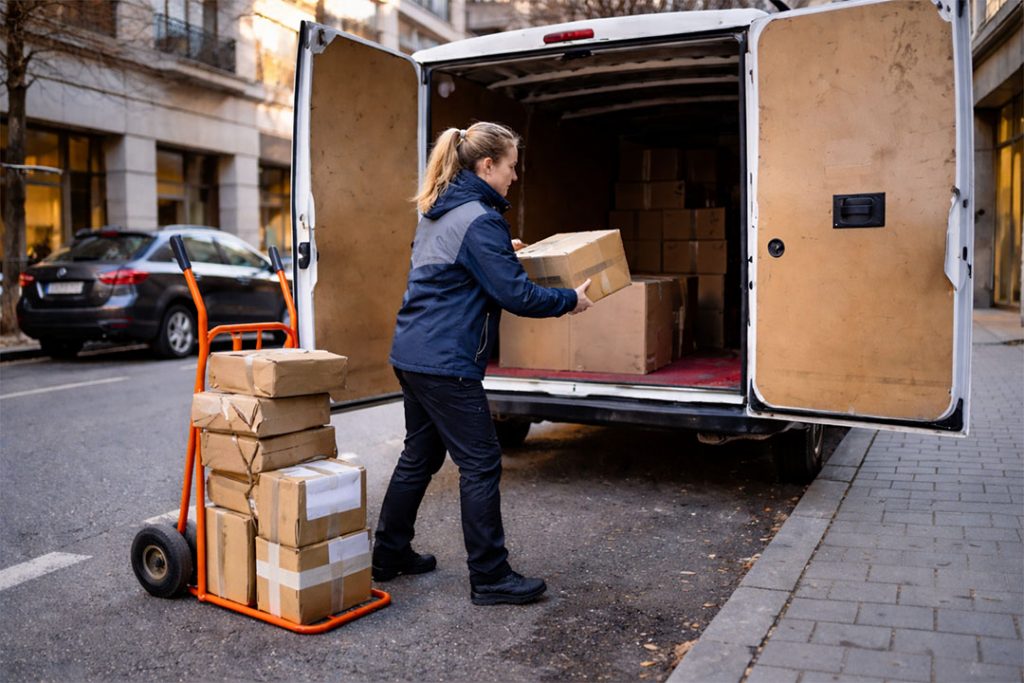
MOOEVO delivery trolleys are designed precisely to improve this aspect, integrating secure compartments that protect packages throughout the delivery process, thus contributing to safer, more professional operations aligned with current industry demands, and improving data protection .