

As customer expectations continue to rise, logistics providers and e-commerce leaders are under increasing pressure to deliver faster than ever. Same-day and next-day delivery have become the norm, pushing distribution networks to maximize efficiency at every stage of the fulfillment process.
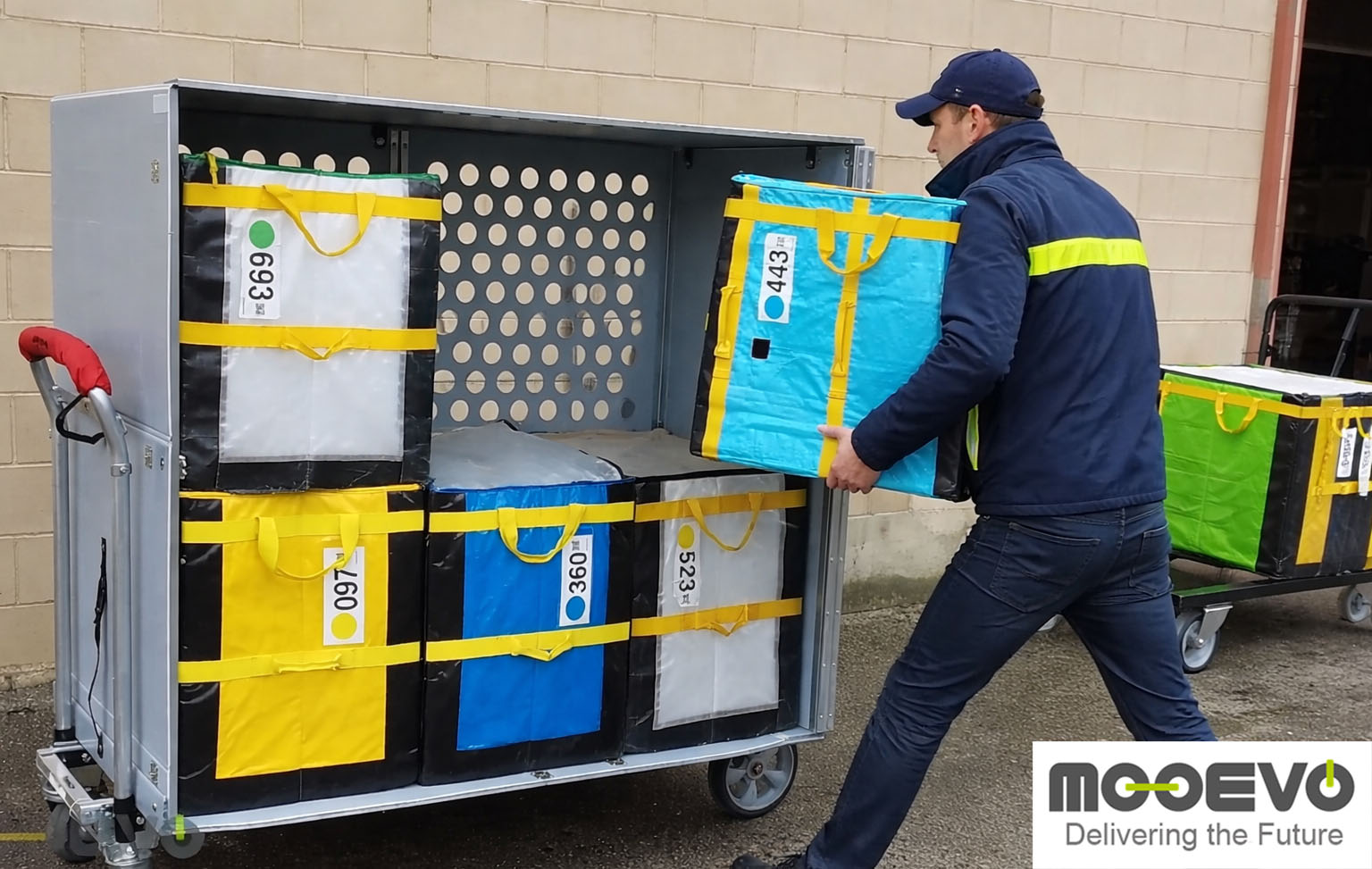
While significant investments have been made in sortation technologies, robotics, and AI-driven planning, one critical area often remains underserved: containerization. The process of grouping parcels into bags, totes, or other transport units is still heavily dependent on manual labor in many facilities, creating bottlenecks that limit overall performance.

Why Containerization Matters
Containerization is a fundamental part of modern distribution operations. Throughout a fulfillment network, packages are continuously organized and consolidated according to their next destination. This process ensures efficient movement within facilities and supports smooth transitions between transportation stages.
Despite its importance, containerization is frequently one of the least automated steps in the logistics chain. As parcel volumes increase and delivery windows shrink, inefficiencies at this stage can significantly impact throughput, labor costs, and service quality.
The Challenges of Traditional Processes
Many distribution centers continue to rely on manual workflows or partially automated systems to manage containerization. Although technologies such as sliding shoe sorters, tilt-tray sorters, automated conveyors, and robotic solutions have improved sorting capabilities, the final preparation of outbound loads often requires extensive human intervention.
This dependency on manual labor can lead to:
- Reduced operational efficiency
- Increased labor and training costs
- Higher risk of sorting errors
- Limited scalability during peak demand periods
- Workforce recruitment and retention challenges
At the same time, organizations are expected to meet ambitious sustainability goals while handling growing parcel volumes—an increasingly difficult balance without advanced automation.
A New Approach to Automated Containerization
The next generation of fulfillment operations requires integrated solutions that automate both sorting and containerization. Intelligent systems can now seamlessly move parcels from inbound processing through outbound preparation, eliminating manual touchpoints and improving flow across the facility.
By combining automated sorting, smart destination management, and autonomous bagging processes, distribution centers can significantly increase throughput while reducing operational complexity.
Packages are automatically routed to their designated destinations, consolidated into containers, and prepared for outbound transport with minimal human intervention. Smart software continuously optimizes the process, ensuring that containers are released, filled, and dispatched at the right moment to maximize efficiency.
Delivering Efficiency, Scalability, and Sustainability
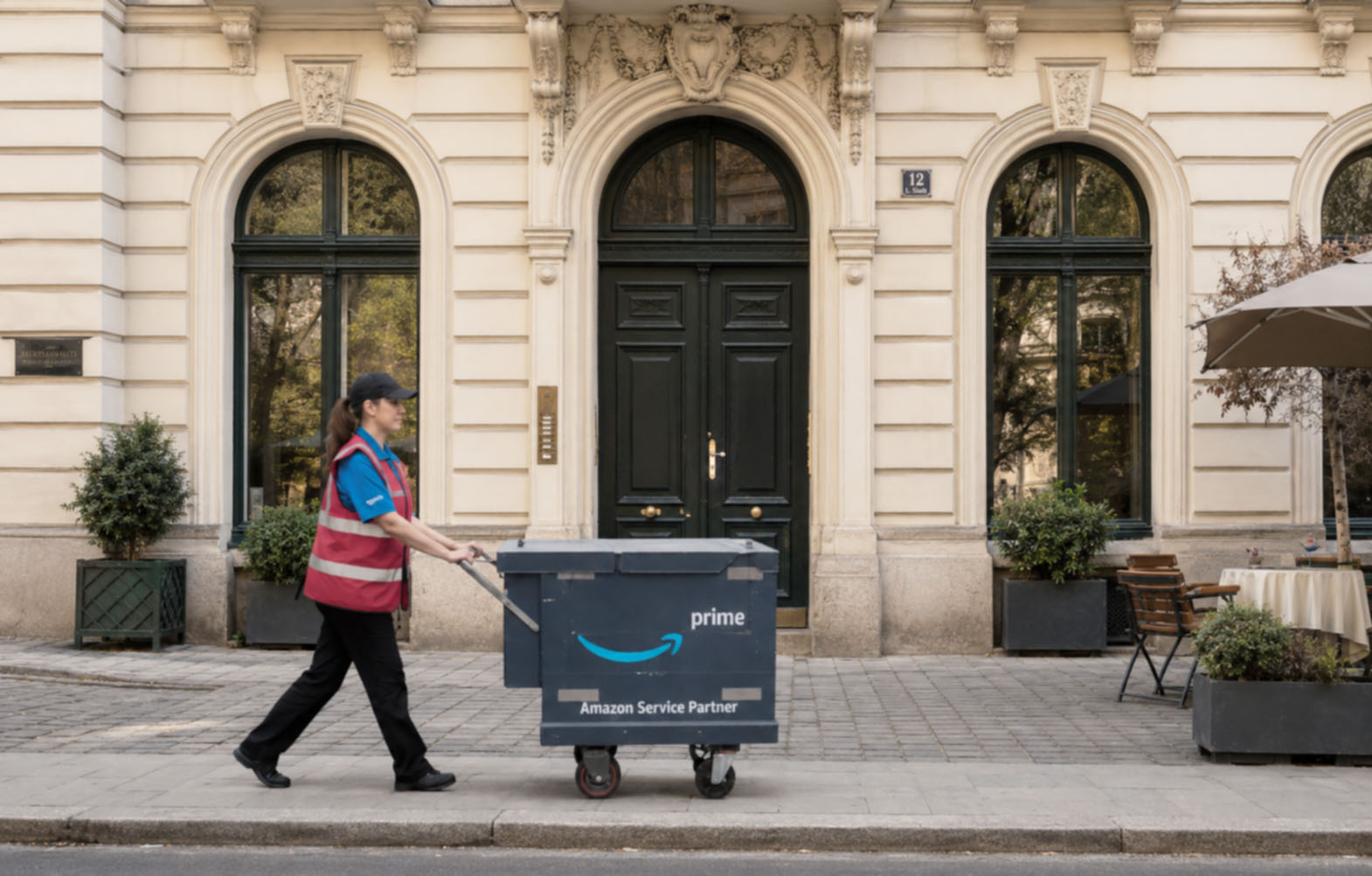
Automated containerization represents a major opportunity for logistics operators seeking to improve performance in last-mile fulfillment. By reducing manual handling, increasing accuracy, and streamlining outbound operations, these technologies help facilities process higher volumes with greater consistency.
The result is a more agile, scalable, and sustainable fulfillment network—one that can keep pace with rising customer expectations while lowering operational costs and supporting long-term growth.
As the logistics industry continues to evolve, automated containerization is emerging as a key enabler of faster, smarter, and more efficient last-mile delivery.
Also trending: Electric cleaning trolleys for industrial buildings: emission-free efficiency
