

Electric scooters are becoming established as an efficient solution for parcel delivery companies in urban environments. Their agility, low operating costs, and ease of use make them an ideal alternative to traditional vehicles. Furthermore, they reduce emissions and improve delivery times in congested areas, positioning themselves as a key tool in last-mile logistics.
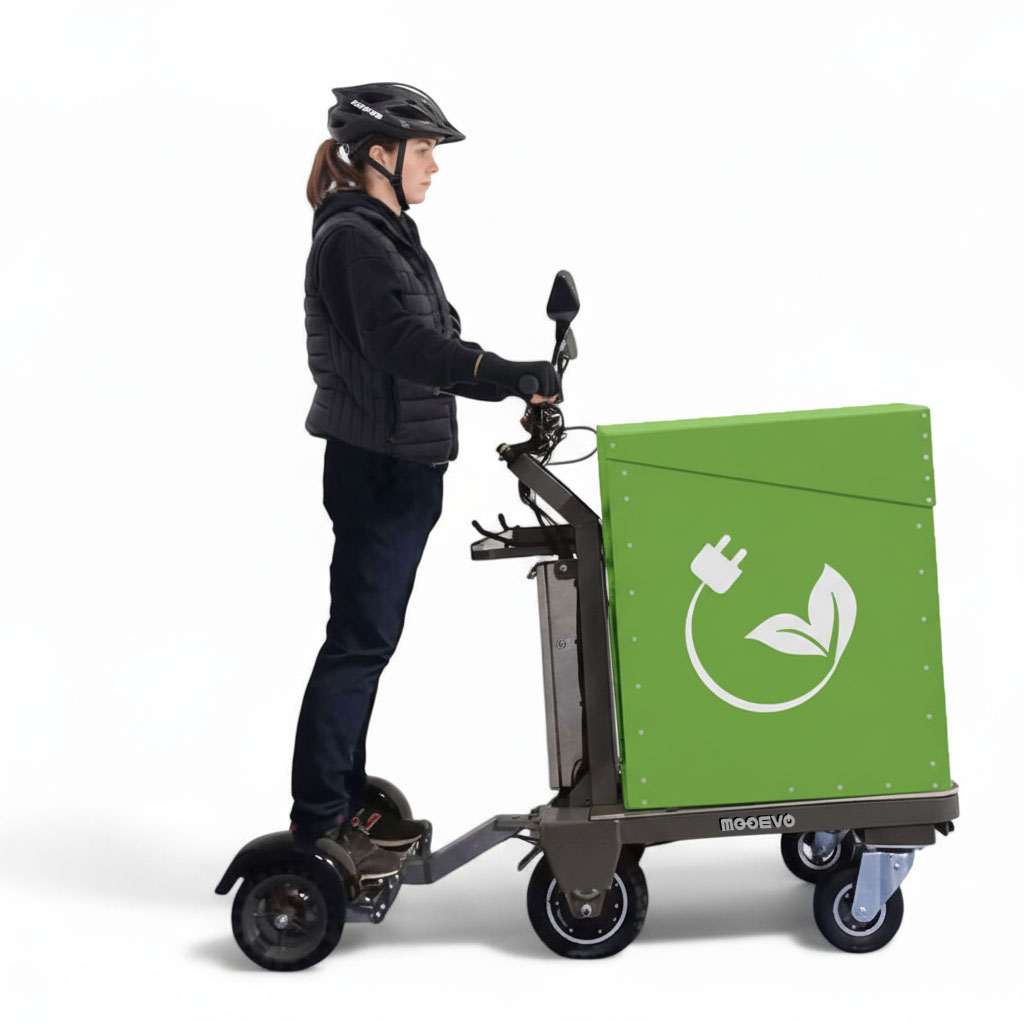
The growing demand for fast deliveries in urban environments is driving parcel companies to seek more agile and sustainable mobility solutions. In this context, electric delivery scooters have become an increasingly popular alternative for last-mile distribution. Their ability to move quickly through congested areas and access restricted zones positions them as a strategic tool within logistics operations.
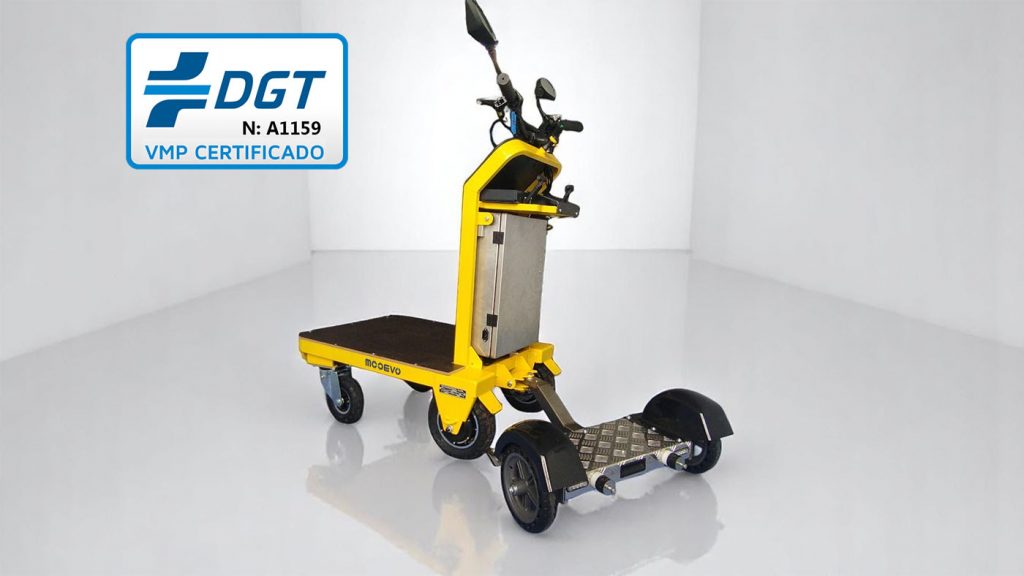
One of the main benefits of electric scooters is the significant reduction in operating costs. Compared to vans or motorcycles, they require less initial investment, less maintenance, and much more efficient energy consumption. Furthermore, their ease of use allows for quick integration into delivery fleets without the need for complex training. This facilitates the scalability of operations, especially during peak demand.
Another key aspect is their contribution to sustainability. Cities are increasingly focused on reducing emissions and promoting clean mobility solutions. The use of electric scooters allows parcel delivery companies to align themselves with these policies, reducing their carbon footprint and improving their corporate image. However, it is essential that these vehicles are certified according to current regulations, such as those of the DGT (Spanish Directorate General of Traffic), to guarantee their safe and legal use.
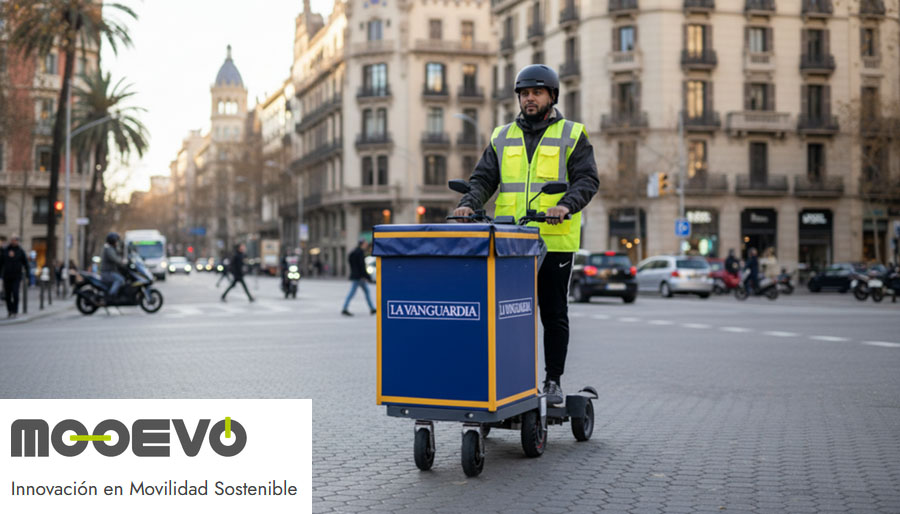
The MOOEVO approach
In this context, solutions like the mobility assistance systems developed by MOOEVO take the concept a step further. The combination of electric scooters with optimized cargo carts offers greater transport capacity without sacrificing maneuverability. This is especially useful in intensive delivery operations, where efficiency, ergonomics, and sustainability are key factors for improving productivity and working conditions for delivery drivers.
