

What is an electric assistive mobility device? An electric assistive mobility device, also known as an electric mobility scooter or an electric wheelchair, is a motorized device that is designed to assist people with mobility impairments in moving around.
These devices typically feature a seat, a platform for the feet, handlebars or a joystick for steering, and one or more wheels. They are powered by batteries and feature electric motors that provide the necessary propulsion to move the device forward and backward.
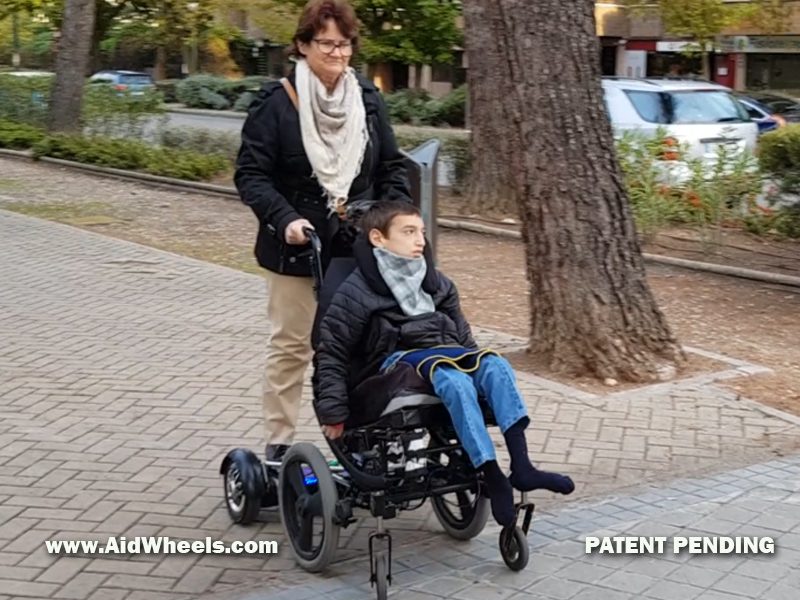
Electric assistive mobility devices are often used by individuals who have difficulty walking or standing for extended periods of time due to a physical disability, injury, or age-related mobility issues. They can help increase independence, improve quality of life, and provide a means of transportation for people who may otherwise be unable to move around easily.
Assistive electric mobility for wheelchairs refers to the use of motorized devices or attachments that provide additional assistance to wheelchair users, particularly those with mobility impairments. Some examples of assistive electric mobility for wheelchairs include:
- Power wheelchairs: These are motorized wheelchairs that allow users to move independently, without the need for manual propulsion. Power wheelchairs are ideal for people who have limited upper body strength or endurance.
- Power add-ons: These are attachments that can be added to manual wheelchairs to provide electric assistance. Examples include power-assist wheels, which provide additional propulsion power to the wheelchair, and power-assist handrims, which make it easier to maneuver the wheelchair using the hands.
- Scooters: These are three- or four-wheeled vehicles that are similar to power wheelchairs but are designed for outdoor use. Scooters are typically larger and faster than power wheelchairs and can travel longer distances.
Assistive electric mobility for wheelchairs can greatly enhance the independence and quality of life for wheelchair users. These devices can help users navigate different terrains, including steep inclines and rough surfaces, and reduce the physical strain associated with manual propulsion. They can also help users travel longer distances without becoming fatigued or exhausted.
What are the main benefits assistive electric mobility for wheelchairs?
Assistive electric mobility for wheelchairs offers a wide range of benefits to individuals with mobility impairments. Some of the main benefits include:
- Increased independence: Assistive electric mobility devices can help users move more independently, reducing their dependence on others for assistance.
- Improved mobility: Electric mobility devices can help users navigate different terrains, such as steep inclines or rough surfaces, that may be challenging with a manual wheelchair.
- Reduced physical strain: Electric devices can help users travel longer distances without becoming fatigued or exhausted, reducing the physical strain associated with manual propulsion.
- Improved social participation: Electric mobility devices can help users participate more fully in social activities, such as going to the movies or attending sporting events, by increasing their mobility and independence.
- Improved overall quality of life: By providing greater independence and mobility, assistive electric mobility devices can significantly improve an individual’s overall quality of life.
Overall, assistive electric mobility for wheelchairs can greatly enhance the independence, mobility, and quality of life of individuals with mobility impairments.
Electric power attachments for manual wheelchairs
Electric power attachments for manual wheelchairs are devices that can be added to a manual wheelchair to provide electric assistance, making it easier for the user to propel the chair. These attachments can be particularly useful for individuals with limited upper body strength or endurance, or for those who need to travel longer distances without becoming fatigued.
There are several types of electric power attachments available for manual wheelchairs, including:
- Power-assist wheels: These are motorized wheels that can be attached to the back of a manual wheelchair. They provide additional propulsion power, making it easier for the user to move the chair forward.
- Power-assist handrims: These are motorized handrims that can be attached to the wheels of a manual wheelchair. They provide additional power to the user’s pushing motion, making it easier to propel the chair.
- Wheelchair power packs: These are battery-powered devices that can be attached to the bottom of a manual wheelchair. They provide an electric motor that drives the rear wheels, giving the user an extra boost when pushing the chair.
Electric power attachments for manual wheelchairs can greatly enhance the mobility and independence of individuals with mobility impairments. They can help users travel longer distances, navigate different terrains, and reduce the physical strain associated with manual propulsion. Additionally, they can be added to most manual wheelchairs, making them a cost-effective option compared to purchasing a brand new electric wheelchair.
What are the different types of mobility assistive devices?
There are various types of mobility assistive devices that are designed to help people with mobility impairments move around more easily and safely. Here are some of the different types of mobility assistive devices:
- Wheelchairs: There are two main types of wheelchairs – manual and powered. Manual wheelchairs are propelled by the user, while powered wheelchairs use batteries to provide propulsion.
- Mobility scooters: These are electrically powered devices that resemble a small motorized vehicle, and are often used by people with limited mobility who can still stand and walk short distances.
- Crutches and canes: These are simple and inexpensive devices that are used to provide additional support and stability while walking.
- Walkers: Walkers are frames with wheels and handgrips that provide support and stability while walking. They are especially useful for people who require a higher level of support than a cane or crutches can provide.
- Transfer aids: These devices are designed to help people transfer from one surface to another, such as from a wheelchair to a bed or from a chair to a toilet.
- Stairlifts: Stairlifts are motorized devices that are attached to a staircase and can carry a person up and down the stairs in a seated position.
- Lift chairs: These are motorized chairs that help people stand up from a seated position or sit down into a chair with minimal effort.
Overall, the type of mobility assistive device that is most suitable for an individual depends on their specific mobility needs and abilities.
Electric mobility for wheelchairs in hospitals
Electric mobility for wheelchairs in hospitals can greatly improve the quality of life for patients who use them. These electric wheelchairs are designed to make it easier for patients to move around the hospital, reducing the risk of injury and making it easier for patients to access the medical care they need.
Some of the benefits of electric mobility for wheelchairs in hospitals include:
- Increased independence: Electric wheelchairs allow patients to move around more freely without needing assistance from others. This can help to increase their independence and improve their quality of life.
- Improved safety: Electric wheelchairs are designed with safety features such as anti-tip devices, which reduce the risk of accidents and injuries.
- Increased comfort: Electric wheelchairs are designed with features such as padded seats, adjustable footrests, and backrests, which can improve the comfort of patients who use them.
- Increased speed: Electric wheelchairs can travel at faster speeds than manual wheelchairs, which can help patients to get to appointments and procedures more quickly.
Overall, electric mobility for wheelchairs in hospitals can greatly improve the quality of life for patients who use them. It can increase independence, improve safety, increase comfort, and reduce the time needed for patients to travel around hospitals or in senior care centres.
Electric mobility for the elderly care services
Electric mobility can be a valuable tool for elderly care services. It can help improve the mobility and independence of elderly patients, as well as make it easier for caregivers to provide care.
Some of the benefits of electric mobility for elderly care services include:
- Increased independence: Electric mobility devices, such as scooters and electric wheelchairs, can help elderly patients move around more easily and independently, allowing them to participate in activities and maintain their social connections.
- Reduced physical strain: Caregivers can use electric mobility devices to transport patients, reducing the physical strain on both the patient and caregiver.
- Increased safety: Electric mobility devices can be equipped with safety features such as anti-tip devices, seat belts, and lights, reducing the risk of accidents and injuries.
- Increased accessibility: Electric mobility devices can help elderly patients access areas that may be difficult to reach on foot, such as parks, shopping centers, and other public places.
Overall, electric mobility can be a valuable tool for elderly care services, improving the quality of life for elderly patients and reducing the physical and emotional strain on caregivers. Caregivers can work with patients to select the appropriate electric mobility device and ensure that they are used safely and effectively.
